Periodontal (Gum) Treatment in Arlington, TX
Treating gum disease before it costs you teeth. Deep cleanings, gum therapy, and ongoing maintenance - caught early, almost always reversible.
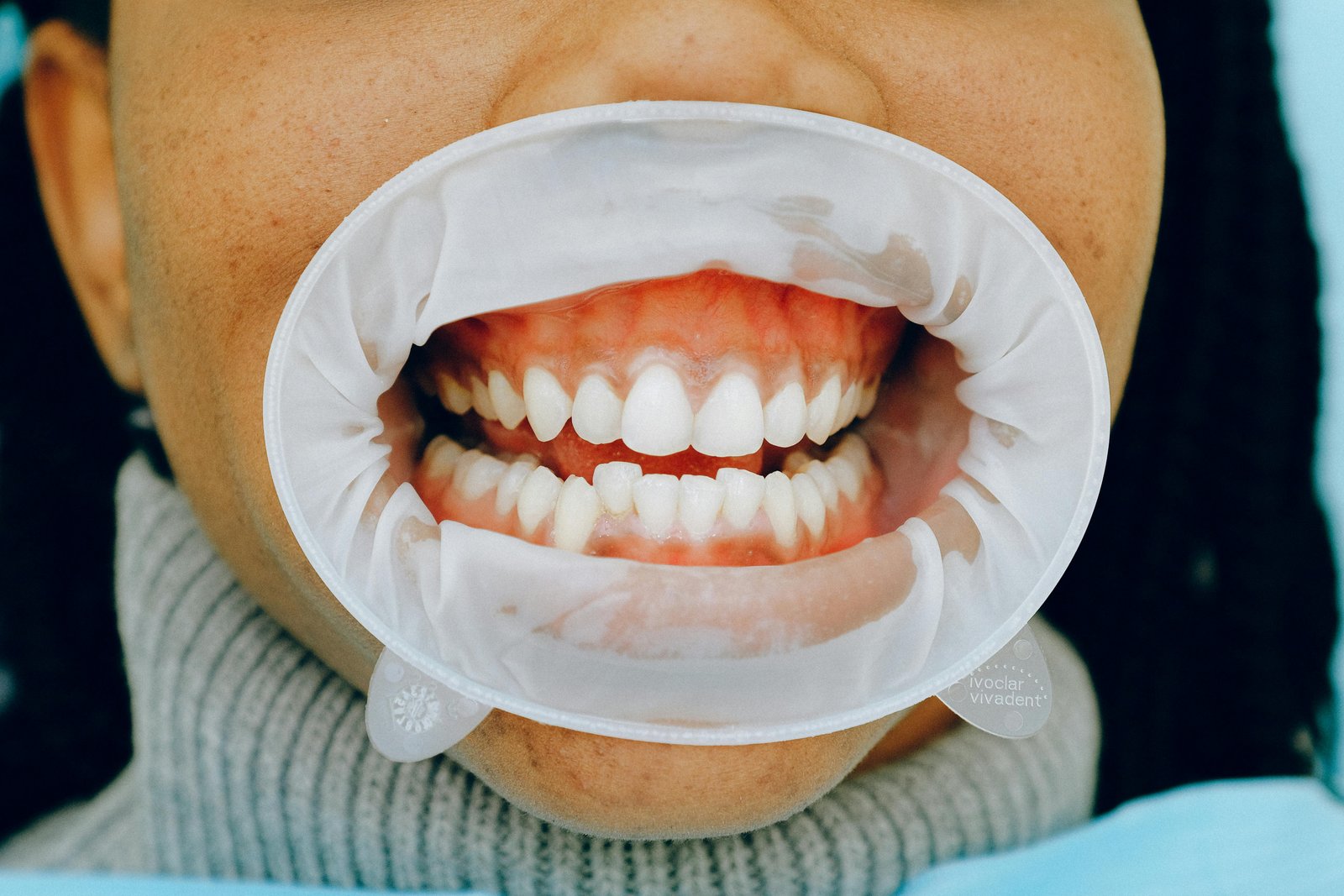
Healthy gums are the foundation of healthy teeth.
Gum disease (periodontitis) is the leading cause of adult tooth loss - and it's often painless until it's advanced. Catching it early lets us reverse it without surgery; later stages need more aggressive treatment.
We screen every patient for gum health at every visit. Early-stage gingivitis is reversible with deep cleanings and home care. Moderate periodontal disease may need scaling and root planing. Advanced cases sometimes need surgical referral.
Why patients choose Periodontal Dentistry.
Saves natural teeth
Gum disease destroys the bone holding teeth in place. Treating it stops the loss and often allows recovery.
Whole-body health
Gum disease is linked to heart disease, diabetes, stroke, and pregnancy complications. Treating it protects more than your mouth.
Often reversible early
Caught at the gingivitis stage, consistent care reverses gum disease completely. Even moderate cases respond well to non-surgical treatment.
Stops bad breath
Most chronic bad breath comes from bacteria below the gum line - addressing periodontal disease usually resolves it.
What Is Periodontal Dentistry?
Periodontal dentistry treats gum disease and the bone that supports your teeth. Untreated gum disease is the leading cause of tooth loss in adults — the good news is that it’s very treatable when caught early.
Our Periodontal Dentistry Services
Periodontal Evaluation
Comprehensive measurement of gum pocket depth, bone health, and disease severity.
Scaling & Root Planing
Deep cleaning below the gumline to remove tartar and bacteria. The first line of treatment for active gum disease.
Periodontal Maintenance
More frequent cleanings (typically every 3–4 months) to keep gum disease under control.
Localized Antibiotic Therapy
Antibiotic placed directly into deep pockets to help fight infection.
Who Is a Good Candidate for Periodontal Dentistry?
Signs you may need periodontal treatment:
- Gums that bleed when brushing or flossing
- Persistent bad breath
- Receding gums or teeth that look longer
- Loose or shifting teeth
- Pain or swelling in your gums
Benefits of Periodontal Dentistry
- Stops bone loss that leads to tooth loss
- Reduces inflammation linked to heart disease, diabetes, and pregnancy complications
- Often reversible in early stages with deep cleaning alone
- Cheaper and easier than the implant or denture you’d need if teeth are lost
Why Choose Madison Square Dental for Periodontal Dentistry?
At Madison Square Dental, we combine 40+ years of Arlington experience with modern technique and patient-first care.
- Detailed periodontal charting at every cleaning to catch issues early
- Personalized maintenance schedule based on your specific risk factors
- In-office treatment — no specialist referral for most cases
- Honest assessment — if you need a periodontist, we’ll refer you
Periodontal Dentistry Cost & Insurance
Initial deep cleaning (scaling and root planing) typically $200–$300 per quadrant. Periodontal maintenance cleanings $150–$200. Most PPO plans cover periodontal therapy when medically necessary.
Periodontal Dentistry FAQs
Is gum disease reversible?
Gingivitis (early stage) is fully reversible with proper cleaning and home care. Periodontitis (advanced) can be controlled but bone loss is permanent.
Why do I need cleanings every 3 months instead of 6?
Once you’ve had active gum disease, bacteria recolonize faster. More frequent cleanings keep the bacterial load low and prevent recurrence.
Does scaling and root planing hurt?
We numb the area first; the procedure itself is comfortable. Some sensitivity is normal for a few days after.
Can I just brush and floss harder instead?
Once tartar is below the gumline, brushing can’t reach it. You need professional removal first; then daily home care prevents it from returning.
Schedule a Periodontal Dentistry Consultation
Ready to take the next step? Call (817) 275-2229 or request your appointment online.
Periodontal Dentistry questions, answered.
Tap a question to expand the answer.
How do I know if I have gum disease?
Common signs: gums that bleed when you brush or floss, persistent bad breath, gums pulling away from teeth, loose teeth, or pus around teeth. Many cases are silent - your dentist will measure pocket depths at every visit.
What's the difference between gingivitis and periodontitis?
Gingivitis is early-stage gum inflammation - reversible with proper care. Periodontitis is advanced disease where bone loss has begun - manageable but not fully reversible.
What's a deep cleaning (scaling and root planing)?
A non-surgical procedure that removes plaque and tartar from below the gum line and smooths root surfaces so the gum can reattach. Usually done in 2 visits with local anesthetic.
Will I need surgery?
Only for advanced cases that don't respond to non-surgical treatment. Most patients we see at moderate stages improve significantly without surgery. For severe cases, we refer to a periodontal specialist.
How often will I need maintenance after?
After active periodontal treatment, periodontal maintenance every 3-4 months is standard - more frequent than the typical 6-month cleaning, because the bacterial load comes back faster.
Related Services
General Dentistry \u00B7 Bone Grafting \u00B7 Dental Implants \u00B7 Preventive Dentistry
Book your visit today.
New patients welcome. Most PPO insurance accepted. Same-day emergency appointments available.